


The best trading analysis and charting software does not just draw candles on a screen. It changes how you understand price, risk, and behavior.
Many traders spend years switching platforms, stacking indicators, and chasing setups that never quite deliver clarity. The real edge appears when analysis matches how markets actually move, through liquidity, volume, structure, and execution pressure.
This guide breaks down professional-grade tools that go beyond surface-level charting. Each platform covered here solves a specific problem in trading analysis, not hype.
By the end, you will clearly see which software fits your trading style and why.
Best Trading Analysis and Charting Software Reviewed
Choosing trading software is not about features alone. It is about how well a platform helps you read market intent, control risk, and act with confidence. Below are the most reliable platforms traders use today, each with a distinct analytical strength.
1. Bookmap
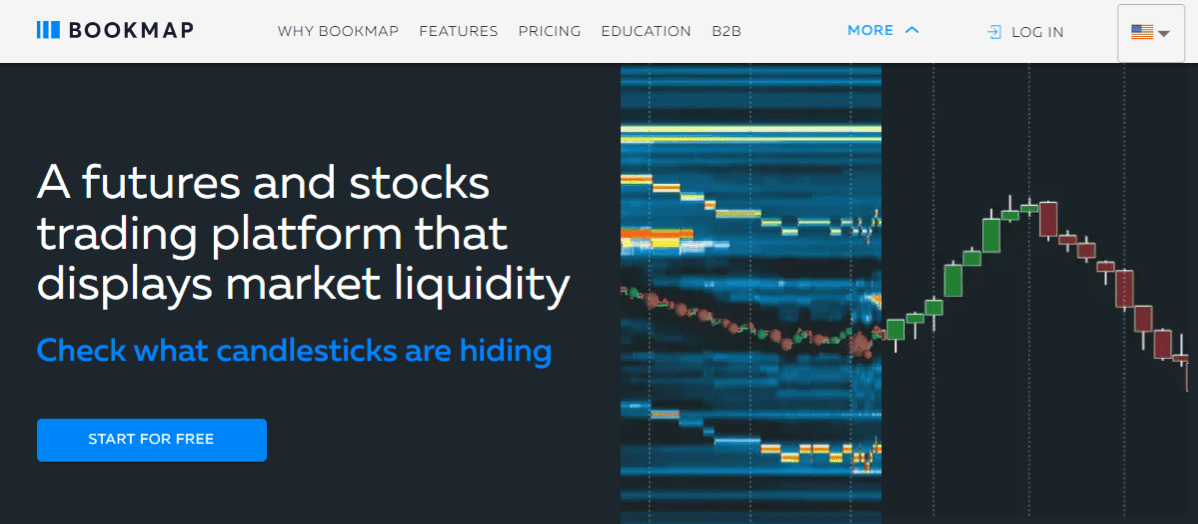
Bookmap focuses on market liquidity instead of traditional price patterns. Its heatmap visualizes the order book in real time, showing where large limit orders sit and how price reacts to them.
Bright liquidity zones highlight areas where institutions are actively defending levels, offering insight that standard candlestick charts simply cannot show.
Volume dots reveal executed trades at each price, helping traders identify absorption, exhaustion, and aggressive buying or selling.
This makes Bookmap especially powerful for futures and crypto traders who rely on order flow rather than indicators. While it requires some learning, the clarity it provides around liquidity behavior and market intent is unmatched.
2. Trade Ideas
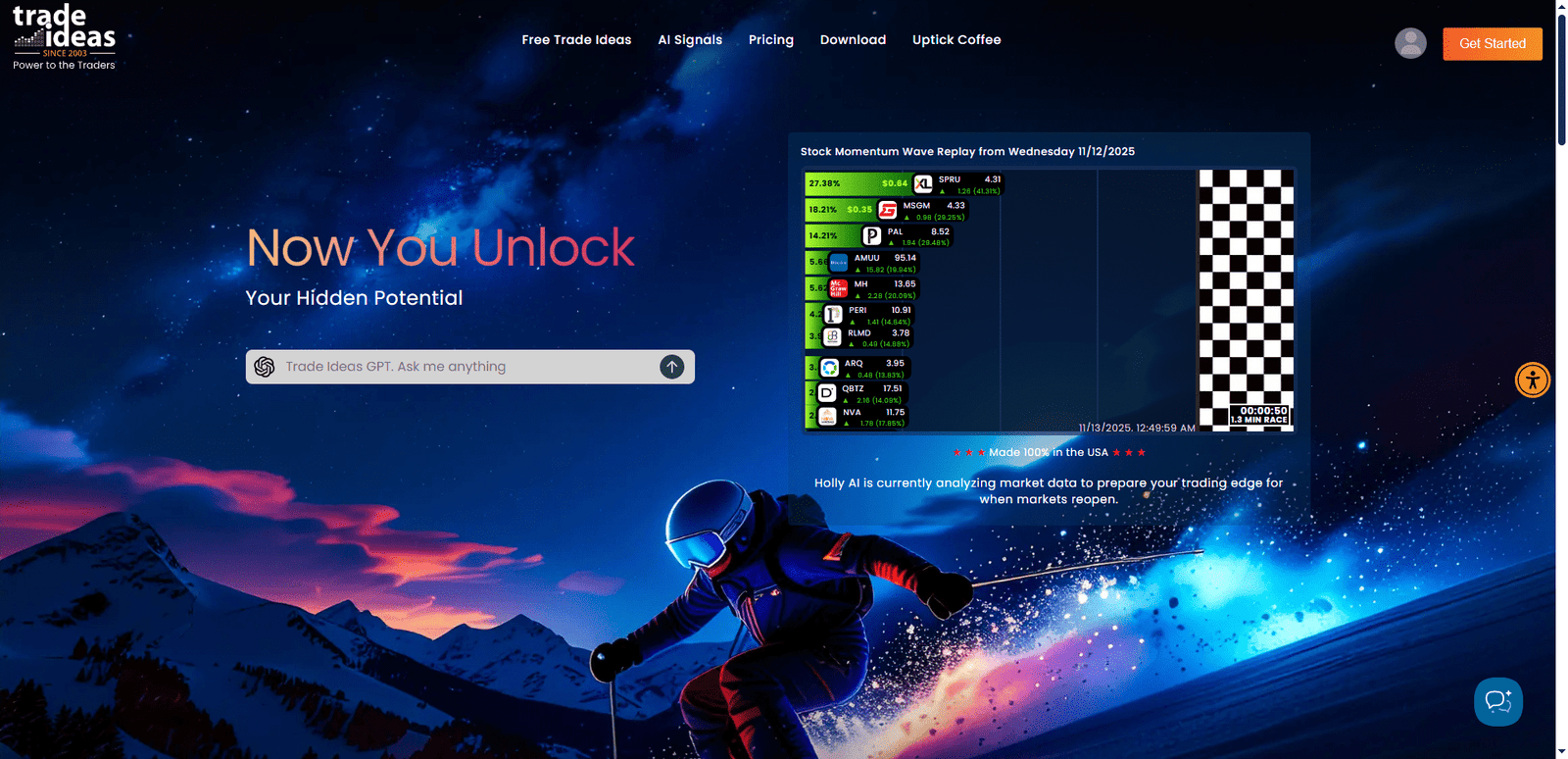
Trade Ideas excels at real-time opportunity detection. Instead of waiting for traders to find setups manually, it uses AI-driven scans to surface stocks showing unusual momentum, volatility, or volume.
This makes it extremely effective for active equity traders who need speed and precision.
The platform includes TradeWave signals that visually mark entries and exits directly on charts, reducing hesitation during fast-moving sessions.
Trade Ideas is not designed for deep manual chart drawing. Its strength lies in idea generation, market scanning, and execution support, making it a powerful decision engine for traders who act quickly.
3. TradingView
TradingView is one of the most versatile charting platforms available. It supports multiple asset classes, advanced drawing tools, and a massive library of indicators and custom scripts.
Traders can analyze price action, volume, and structure with a clean and flexible interface. Its biggest advantage is the ecosystem.
Community-built indicators and shared strategies allow traders to explore different analytical approaches in one place.
While TradingView does not specialize in deep order flow analysis, it remains a strong choice for discretionary traders who value visual clarity, customization, and broad market coverage.
4. Forex Tester Online
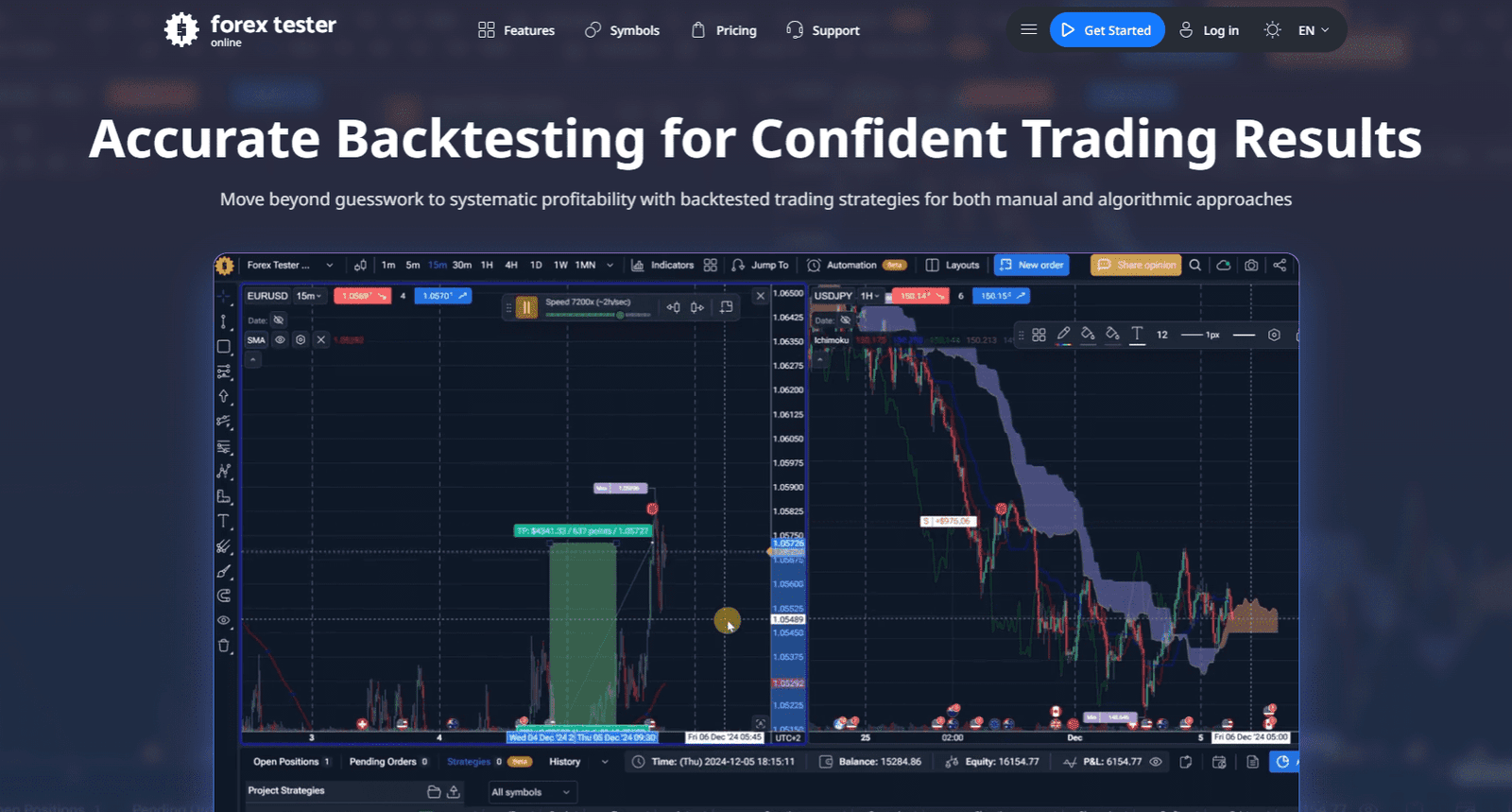
Forex Tester Online is built for traders who want proof before execution. It allows detailed historical replay, letting users practice strategies candle by candle under realistic market conditions.
This process exposes weaknesses in entries, exits, and risk management long before real capital is involved.
The platform supports systematic review and performance tracking, which helps traders refine decision-making and reduce emotional errors.
Forex Tester Online does not assist with live trade discovery. Its value lies in strategy validation, confidence building, and long-term consistency.
5. TrendSpider
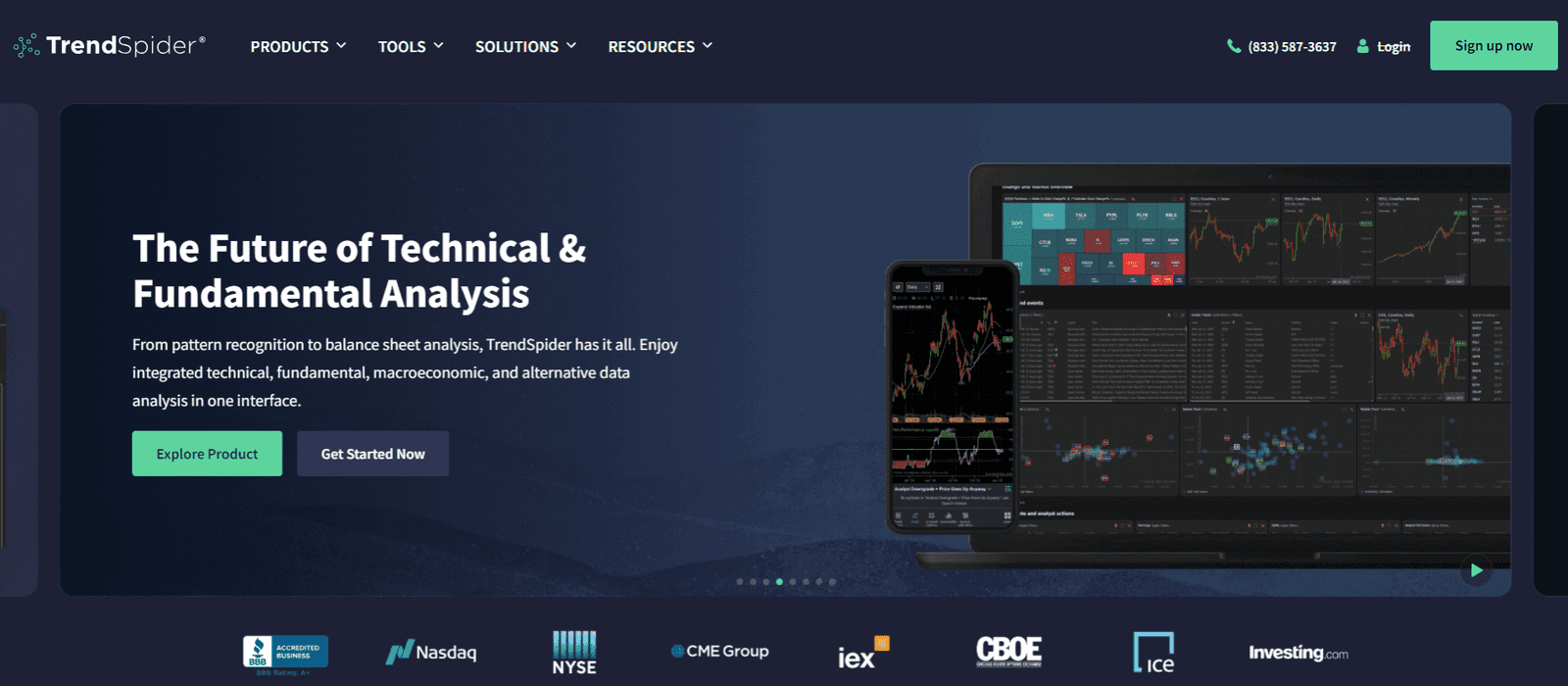
TrendSpider reduces subjectivity through automation. It automatically detects trendlines, support, resistance, and key levels across multiple timeframes.
This removes guesswork and helps traders focus on execution rather than constant chart adjustments.
The platform also supports strategy testing and dynamic alerts, making it useful for swing traders and systematic traders.
By enforcing structure and rules, TrendSpider minimizes emotional bias and overtrading. Its strength sits in technical consistency and data-driven confirmation rather than discretionary intuition.
6. GoCharting
GoCharting combines advanced charting with order flow tools in a unified platform.
It offers volume profiles, footprint charts, and depth-of-market visuals that appeal to traders focused on execution precision.
Futures and crypto traders often prefer GoCharting for its balance between depth and usability.
The platform supports both analysis and execution workflows, reducing the need for multiple tools.
While beginners may face a learning curve, experienced traders benefit from its volume-based insights and advanced chart types that reveal how trades actually unfold.
Key Factors That Matter in Trading Analysis Software
Effective trading analysis software must deliver accurate data at speed. Delayed feeds distort decision-making and increase risk.
Chart clarity also plays a critical role. Overcrowded visuals lead to hesitation and missed signals.
Another key factor is analytical depth. Some traders need order flow and liquidity data, while others rely on structure and trend confirmation.
The best platforms align with how decisions are made, not how many features exist. Finally, learning curve matters. A powerful tool loses value if it overwhelms execution and discipline.
How to Choose the Right Charting Platform for Your Trading Style
Trading style determines software choice more than asset class. Active traders benefit from tools that surface opportunities quickly and support fast execution.
Analytical traders gain more value from platforms that emphasize structure, testing, and preparation.
Manual discretionary traders often prefer flexible charting environments that support visual interpretation. Systematic traders lean toward automation and rule enforcement.
Skill level also matters. Starting with clarity and gradually adding complexity often leads to better long-term results than chasing advanced features too early.
Frequently Asked Questions
What Is the Best Trading Analysis Software for Active Traders?
Trade Ideas stands out for active traders due to its real-time AI scanning and momentum detection. It surfaces opportunities quickly and supports rapid decision-making. This makes it ideal for traders who prioritize speed and execution.
Which Charting Platform Is Best for Order Flow Analysis?
Bookmap and GoCharting both specialize in order flow and liquidity visualization. Bookmap focuses on heatmaps and absorption, while GoCharting offers footprint and volume profile tools. Choice depends on execution depth preferences.
Can One Trading Platform Replace All Others?
No single platform covers every analytical need perfectly. Many traders combine tools to balance execution, analysis, and preparation. The goal is efficiency, not accumulation.
Is Advanced Trading Software Suitable for Beginners?
Advanced tools can overwhelm new traders if used too early. Beginners benefit most by focusing on clarity, structure, and risk control first. Complexity should increase only after consistency improves.
Conclusion
The best trading analysis and charting software does not promise profits. It sharpens perception, reduces noise, and supports disciplined decisions.
Each platform reviewed here solves a different problem, liquidity insight, opportunity detection, visual analysis, strategy testing, automation, or order flow precision.
Success comes from matching tools to behavior, not copying what others use. When analysis aligns with execution style, trading becomes clearer and more controlled.
The real edge is not hidden in indicators. It is built through understanding how markets reveal intent.