
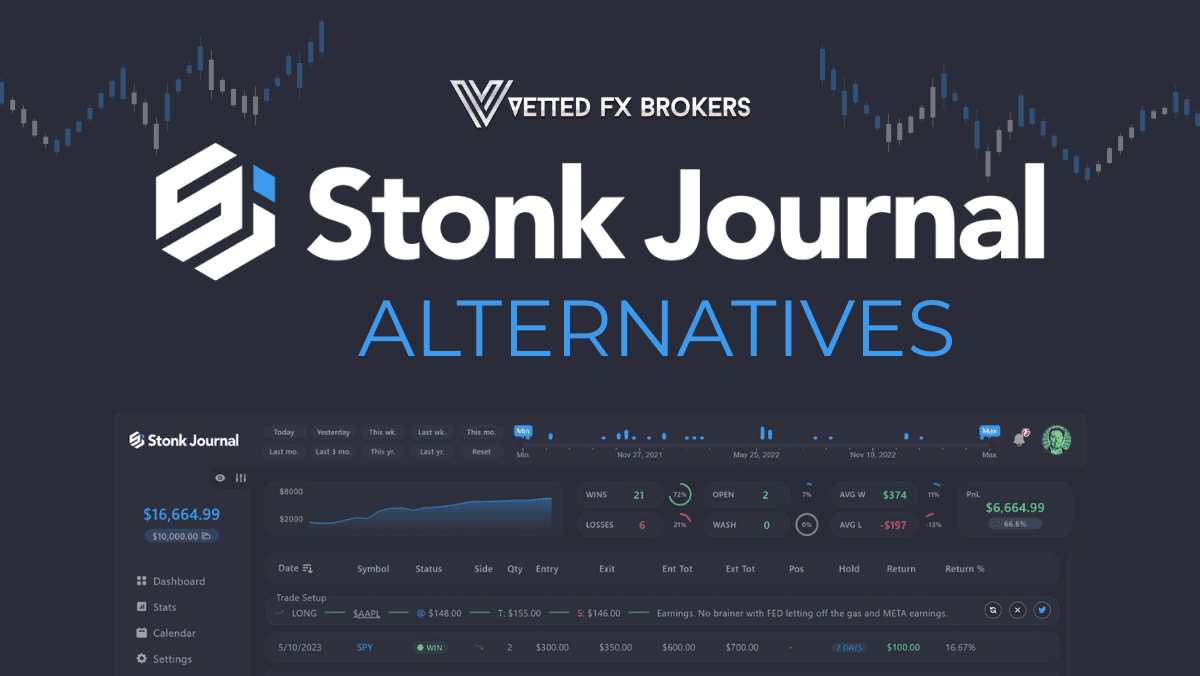

Some traders do not need more analytics, dashboards, or metrics. They need a journal that feels natural to use after a long trading session.
People looking for StonkJournal alternatives often want to keep that simplicity while gaining slightly more structure or insight.
This guide focuses on tools traders move to when basic notes are no longer enough, but heavy platforms still feel like overkill.
StonkJournal Alternatives
If StonkJournal feels too minimal, but larger platforms feel overwhelming, these tools sit in the middle.
They add structure, clarity, and accountability without turning journaling into a complex analytics project.
1. TradeZella
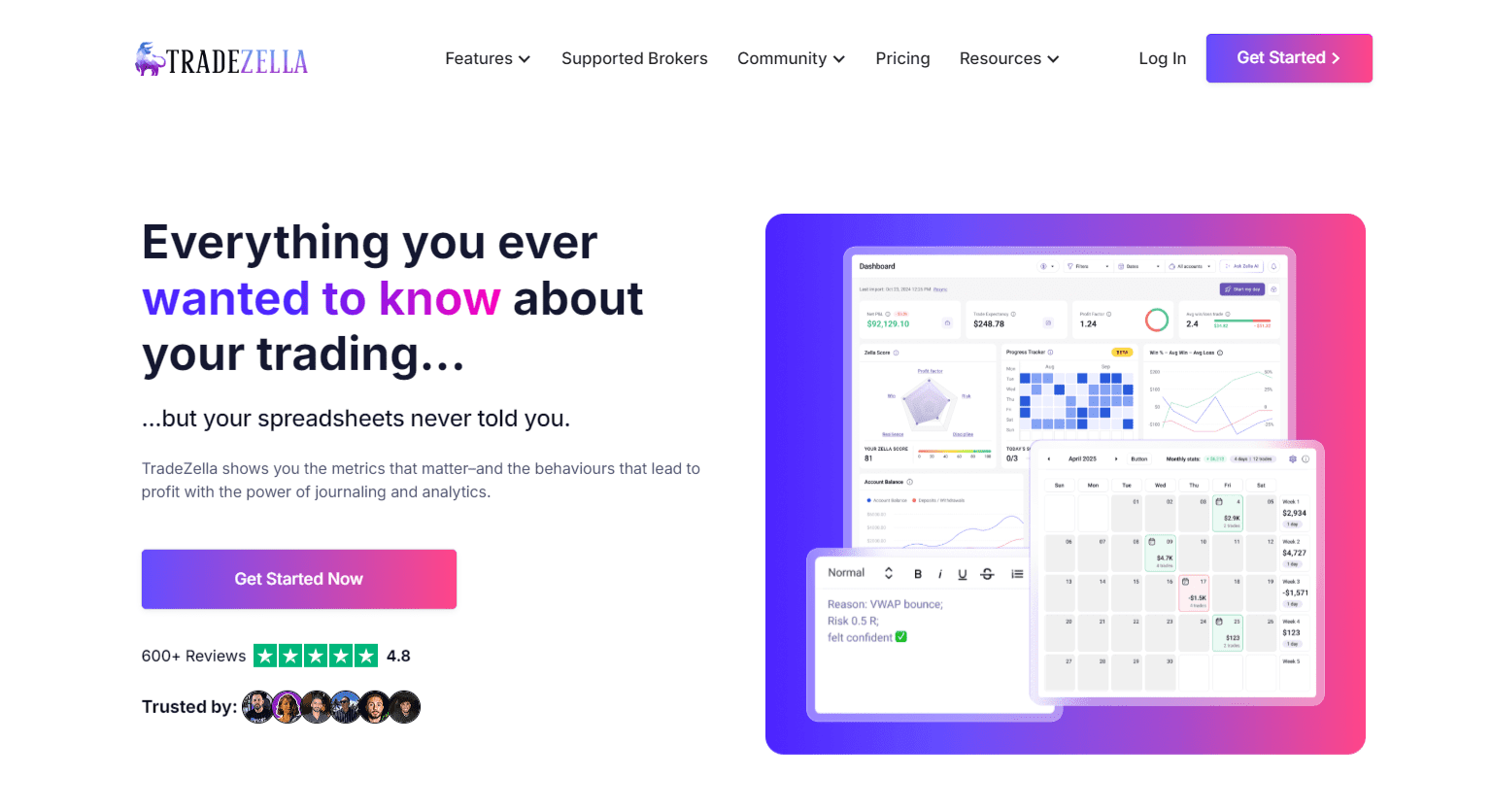
TradeZella is often the first step up for traders who outgrow simple note-based journaling. Trades sync automatically from supported brokers, removing manual entry and reducing friction.
The platform focuses on clarity, showing where profits come from, which sessions perform best, and where rules break down.
Reviews are visual and fast, making it easy to stay consistent.
- Automatic broker syncing
- Session and strategy performance views
- Clear rule-violation tracking
Instead of long reflections, TradeZella highlights behavioral patterns through data.
This makes it especially useful for traders who want feedback without writing essays after every session. It keeps journaling lightweight while still pushing accountability and discipline.
2. TraderVue

TraderVue adds depth for traders who want more context around their decisions.
It supports detailed tagging by setup, market condition, and mistake type, which helps uncover patterns over time.
The platform encourages thoughtful review through structured filters rather than quick summaries.
- Deep tagging and filtering
- Screenshot and note support
- Performance breakdowns by time and setup
TraderVue works well for traders who enjoy reviewing data slowly and methodically. It is less about speed and more about understanding cause and effect.
Compared to StonkJournal, it requires more effort, but the payoff is clearer insight into why certain trades or behaviors repeat.
3. TraderSync
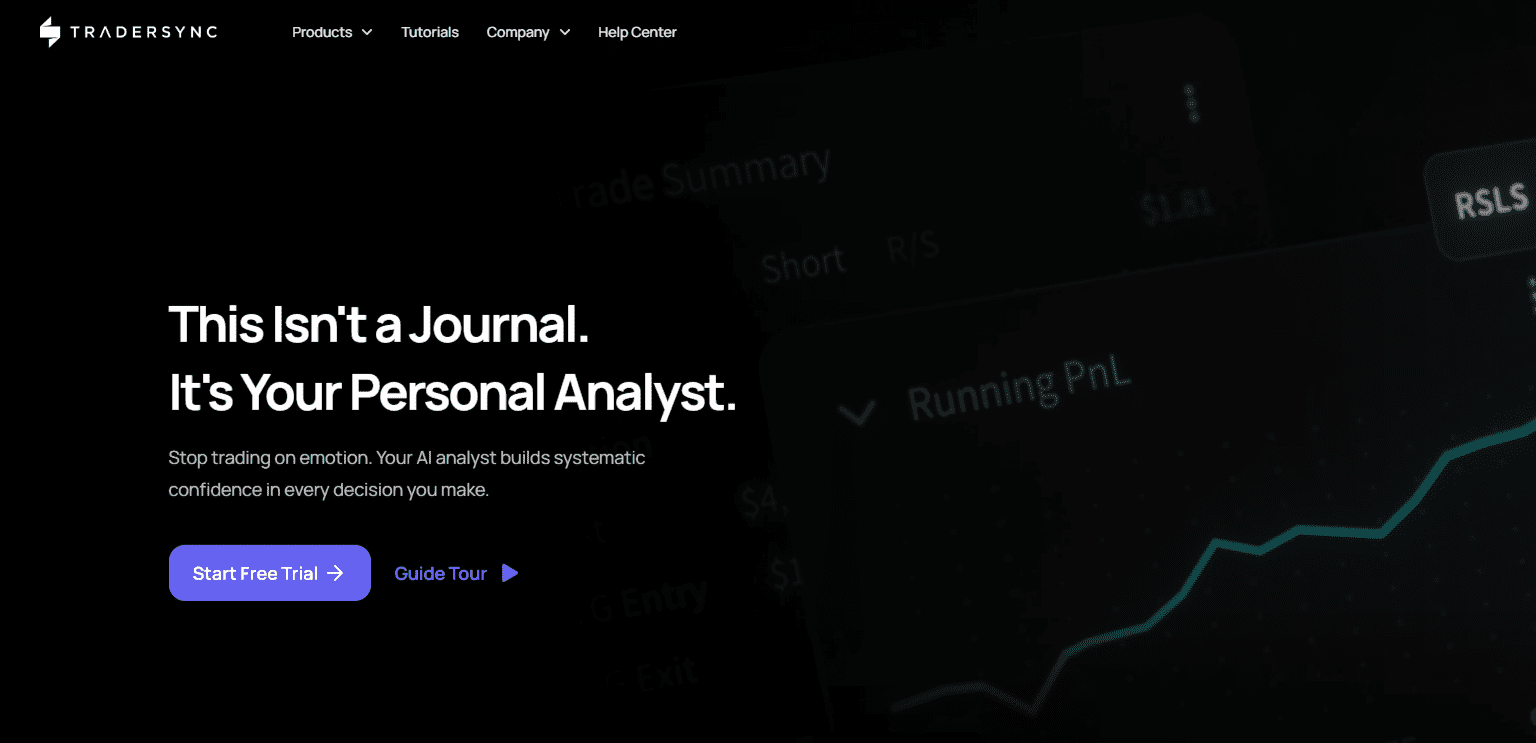
TraderSync strikes a balance between simplicity and depth.
It automatically imports trades, tracks mistakes, and allows notes and screenshots without forcing a rigid workflow. Calendar views and replay-style visuals help traders review sessions holistically.
- Automatic trade imports
- Mistake and rule tracking
- Visual session review tools
This makes TraderSync appealing to traders who want more structure than StonkJournal but still value flexibility.
It supports both quick daily reviews and deeper weekly analysis, which helps traders gradually improve discipline without feeling overwhelmed by data.
4. Trademetria

Trademetria focuses on statistics and consistency rather than narrative journaling.
It emphasizes expectancy, drawdown, risk-to-reward, and stability metrics to evaluate whether performance is sustainable.
- Expectancy and risk metrics
- Consistency and drawdown analysis
- Clean, numbers-first interface
Traders who move from StonkJournal to Trademetria usually want objective feedback instead of reflections.
It removes emotion from the review process and replaces it with accountability through numbers. This works best for traders who already have defined rules and want to measure discipline precisely.
5. TradesViz
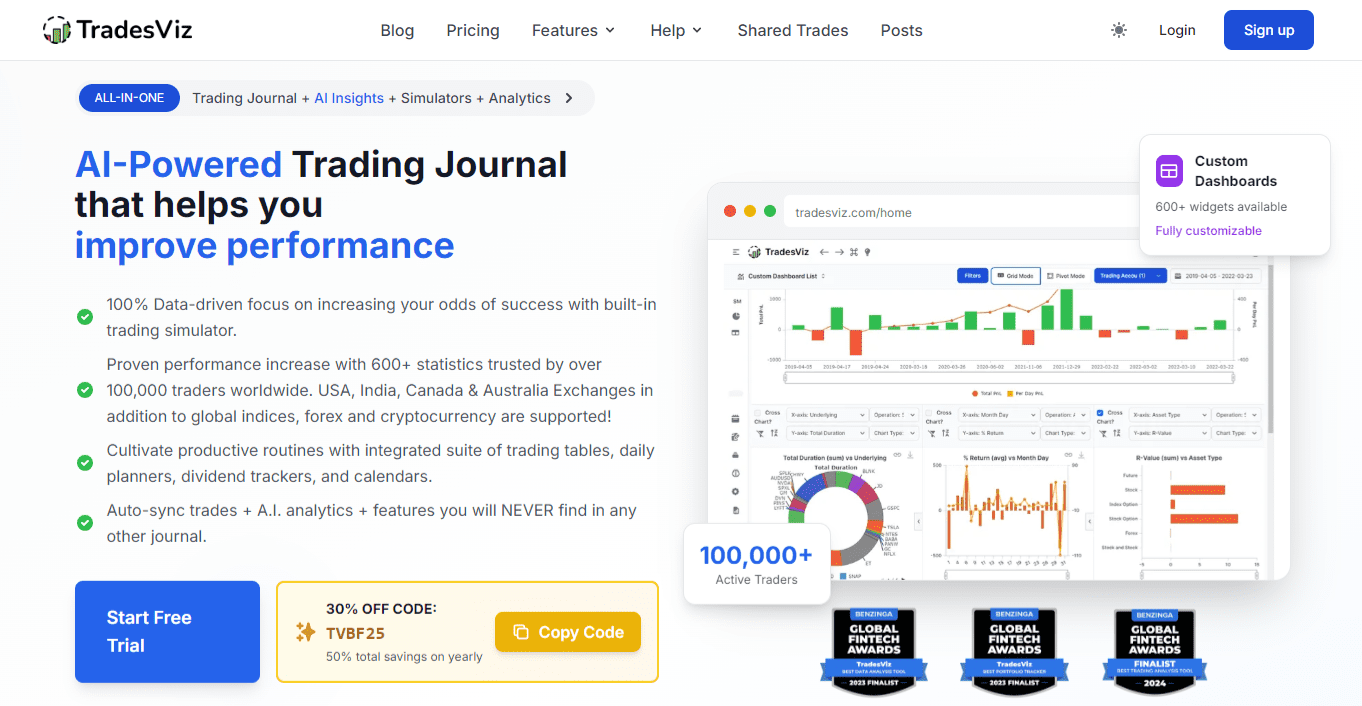
TradesViz offers maximum flexibility for traders who want to design their own review process. Dashboards, tags, and analytics can be customized to match different strategies or markets.
- Highly customizable dashboards
- Broad broker and market support
- Advanced performance visualization
This flexibility makes TradesViz a natural upgrade for traders who like StonkJournal’s freedom but need more analytical power.
It requires setup time, but once configured, it adapts closely to how the trader thinks and reviews performance rather than enforcing a fixed structure.
Frequently Asked Questions
When Should a Trader Move On From a Very Simple Journal?
Usually, when notes alone stop revealing new insights. If you keep making the same mistakes or cannot clearly see performance patterns, adding light structure or analytics can help. The move should feel supportive, not like adding complexity for its own sake.
Is It Better to Upgrade Gradually or Switch to a Full-Featured Journal at Once?
Gradual upgrades work better for most traders. Jumping straight into a complex platform can reduce consistency. Adding features step by step helps you keep the habit while improving the quality of your reviews over time.
Can Simple Journals Still Work for Experienced Traders?
Yes. Some experienced traders prefer minimal tools because their strategies and discipline are already defined. Simplicity can reduce noise and overanalysis. The key is whether the journal still helps you stay accountable and focused.
What Is the Biggest Mistake Traders Make When Choosing a Journaling Tool?
Choosing based on features instead of behavior. A tool is only useful if you actually use it. The best journal is the one that fits naturally into your routine and encourages regular, honest review.
Final Thoughts
StonkJournal works well for keeping things simple, but growth often requires a bit more structure over time.
The best alternatives add clarity and accountability without turning journaling into a burden. What matters most is choosing a tool that fits your review style and keeps you consistent.
When journaling feels useful instead of heavy, it becomes easier to spot mistakes, adjust habits, and improve steadily.